
Pain Awareness Month: Chronic Pain Treatment Options
As August comes to a close, Pain Awareness Month in September serves as an important reminder that chronic pain is a medical condition, not simply a normal part of aging or something you have to live with. It is an opportunity to increase awareness of the causes of persistent pain, the importance of an accurate diagnosis, and the evidence-based treatments available to help patients improve their quality of life.
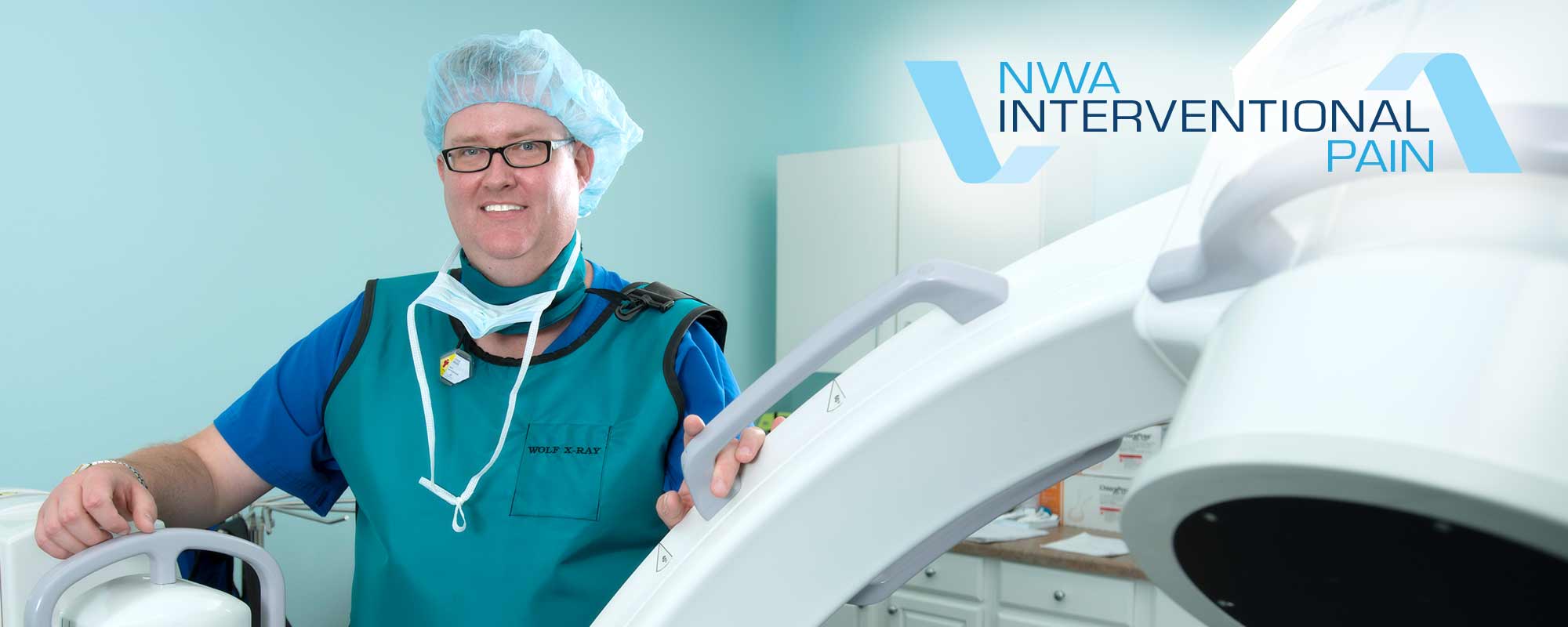
At NWA Interventional Pain, Dr. Stephen Irwin and our team are committed to providing comprehensive, patient-centered care for individuals living with chronic pain. Whether you are experiencing back pain, neck pain, arthritis, nerve pain, headaches, or persistent pain after surgery, our approach focuses on identifying the underlying cause of your symptoms and developing a personalized treatment plan designed to restore function, reduce pain, and improve your quality of life.
What Is Pain Awareness Month?
Pain Awareness Month has been observed every September since 2001, when it was established to raise public understanding of chronic pain and encourage better access to effective treatment. For many people living with ongoing pain, awareness itself matters: research consistently shows that chronic pain is widely underdiagnosed and undertreated, in part because pain is invisible and difficult for others to fully understand. Family members, employers, and even some healthcare providers can underestimate how much daily impact chronic pain has on someone who otherwise looks perfectly healthy from the outside.
Taking time each year to talk openly about chronic pain helps more patients recognize that effective treatment exists, and that living with pain indefinitely isn’t the only option. It’s also a good time for patients who may have tried treatment once, without success, to know that pain management has continued to evolve, and options that weren’t available or well understood even a few years ago may be worth revisiting today.

Chronic Pain Is More Than an Inconvenience
Chronic pain affects a significant portion of the population. According to a 2023 CDC report analyzing national health survey data, an estimated 20.9% of U.S. adults, roughly 51.6 million people, experienced chronic pain in 2021, and nearly 7% experienced high-impact chronic pain that substantially limits daily activities. Back pain and neck pain are among the most common forms reported.
Millions of Americans live with pain that affects their ability to work, exercise, sleep, spend time with family, and simply enjoy life. Medications can offer temporary relief, but they often don’t address the underlying source of the pain, which means the pain tends to return once the medication wears off.
The Toll Chronic Pain Takes Beyond the Physical
Chronic pain rarely stays contained to the body part where it originates. It’s well established in medical literature that chronic pain and mental health are closely connected, with conditions like anxiety and depression occurring significantly more often among people living with ongoing pain than in the general population. Sleep is often one of the first things to suffer, since pain that flares at night makes deep, restorative rest difficult, which in turn can make pain feel worse the next day. Relationships and social activities can also narrow over time, as pain makes it harder to keep up with the things that used to feel effortless.
This is part of why treating chronic pain effectively matters so much, and why it’s rarely just about the physical sensation of pain itself. Addressing the underlying source of pain can have ripple effects across a patient’s sleep, mood, relationships, and overall quality of life.
What Is Interventional Pain Management?
Interventional pain management is a branch of medicine focused on diagnosing and treating the actual source of pain, rather than only masking symptoms. Using minimally invasive, image-guided procedures, interventional treatments aim to reduce inflammation, interrupt abnormal pain signals, and restore function, often reducing or eliminating the need for long-term medication use.
Evidence-Based Treatment Options at NWA Interventional Pain
Dr. Stephen Irwin offers a wide range of evidence-based procedures, each tailored to the specific source of a patient’s pain.
Epidural Steroid Injections
One of the most common treatments for back pain and leg pain is an epidural steroid injection. The epidural space surrounds the protective covering of the spinal cord and the nerve roots that branch off from it as they travel toward the arms or legs. By placing anti-inflammatory steroid medication into this space, Dr. Irwin can reduce inflammation around an irritated nerve root without injecting directly into the nerve itself. If your pain is caused by a herniated disc, spinal stenosis, or sciatica, this type of injection may provide meaningful relief.
Transforaminal Epidural Steroid Injections and Selective Nerve Root Blocks
When pain is traced to a specific spinal nerve, a more targeted injection can both help confirm the exact source of pain and provide significant relief from radiating arm or leg pain, often with more precision than a standard epidural injection alone.
Facet Joint Injections and Medial Branch Blocks
Many patients experience arthritis in the small facet joints of the spine, a common contributor to chronic neck pain and back pain. Diagnostic medial branch blocks and facet joint injections help determine whether these joints are the actual source of pain. When the numbing test medication is injected, patients typically feel significant, though temporary, relief for a period of several hours, since the numbing effect generally lasts around 12 hours. That response helps confirm whether the facet joints are truly driving the pain before moving to a longer-term treatment.

Radiofrequency Ablation (RFA)
When medial branch blocks provide clear but temporary relief, radiofrequency ablation may offer much longer-lasting results by disrupting the small nerves responsible for transmitting pain from arthritic facet joints. According to Cleveland Clinic, pain relief from RFA commonly lasts six months to a year, and for some patients, the relief lasts a few years, making it one of the more durable non-surgical options available for facet-related neck and back pain.
Sacroiliac (SI) Joint Injections
Pain originating from the sacroiliac joints, where the spine connects to the pelvis, can closely mimic low back pain or sciatica, which makes it easy to misdiagnose without targeted testing. Image-guided SI joint injections help both diagnose and treat inflammation in this often-overlooked joint.
Joint Injections
Arthritis and inflammation can affect joints throughout the body, not just the spine. Targeted joint injections can help reduce pain, decrease inflammation, and improve function in affected joints.
Peripheral Nerve Blocks and Occipital Nerve Blocks
Certain headache disorders and nerve-related pain conditions respond well to precisely placed nerve blocks that interrupt pain signals along specific nerve pathways, often providing meaningful, lasting relief for patients who haven’t responded to other treatments.
Genicular Nerve Blocks for Knee Pain
Patients with chronic knee arthritis who aren’t ready for surgery, or who continue to experience pain after a knee surgery, may benefit from genicular nerve blocks. This treatment targets the specific nerves responsible for transmitting knee pain, helping reduce discomfort and improve activity levels without a surgical procedure.
Spinal Cord Stimulation
For carefully selected patients with chronic nerve pain or failed back surgery syndrome, spinal cord stimulation offers an advanced option that uses gentle electrical impulses to interrupt pain signals before they reach the brain, often providing substantial relief for pain that hasn’t responded to other treatments.
Why Individualized Care Matters
 No two patients experience pain the same way, even when the diagnosis sounds similar on paper. That’s why every treatment plan at NWA Interventional Pain begins with a comprehensive evaluation to identify the true source of your symptoms. Dr. Irwin takes a detailed history, performs a thorough physical exam, and orders imaging such as X-ray, MRI, or CT scanning when it’s genuinely warranted, rather than jumping straight to a procedure without a clear picture of what’s actually causing the pain.
From there, treatment plans vary widely from patient to patient. For some, that means one of the interventional procedures described above. For others, physical therapy, bracing, non-opioid medication management, or a combination of approaches may be the more appropriate starting point.
Dr. Irwin builds each plan around the individual patient, not a one-size-fits-all protocol, and stays involved throughout treatment to adjust the plan as needed based on how a patient actually responds.
When to Seek Help for Neck or Back Pain
Since neck pain and back pain are the two most common reasons patients come to see us, it’s worth knowing when it’s time to seek an evaluation rather than continuing to manage pain on your own. Consider scheduling an appointment if you experience:
- Pain that has lasted longer than a few weeks despite rest and home care
- Pain that radiates into an arm or leg, especially with numbness, tingling, or weakness
- Pain that limits your ability to work, sleep, or take part in daily activities
- Pain following an injury, fall, or surgery that isn’t improving as expected
- Pain that hasn’t responded to physical therapy, medication, or other conservative treatment
None of these symptoms mean something is necessarily seriously wrong, but they’re a reasonable signal that a thorough evaluation is worthwhile.
Don’t Let Pain Control Your Life
Pain Awareness Month is a good reminder that effective treatment exists, and that living with chronic pain indefinitely isn’t something anyone has to accept. If pain is keeping you from your family, your hobbies, your work, or the activities you enjoy, it may be time to explore solutions beyond simply managing symptoms day to day.
Whether you’re dealing with your first flare-up of back pain or you’ve been managing chronic pain for years without lasting relief, this September is a good time to take that first step. A thorough evaluation costs you nothing but a bit of time, and it may be the difference between continuing to live around your pain and finally addressing what’s actually causing it.

Frequently Asked Questions
What is Pain Awareness Month?
Pain Awareness Month is observed every September to educate the public about chronic pain and encourage access to effective, evidence-based treatment options.
How common is chronic pain?
According to CDC data, roughly 1 in 5 U.S. adults, about 20.9%, experienced chronic pain in 2021, with back pain and neck pain among the most common types.
What is interventional pain management?
It’s an approach focused on diagnosing and treating the actual source of pain using minimally invasive, image-guided procedures rather than only masking symptoms with medication.
How long does radiofrequency ablation relief last?
RFA relief commonly lasts around six months to a year, and sometimes longer, making it one of the more durable non-surgical treatment options available.
Do I need surgery for chronic back or neck pain?
Not usually. Most patients respond well to conservative care or minimally invasive interventional procedures long before surgery becomes a consideration.
When should I see a pain specialist?
If pain has lasted more than a few weeks, radiates into an arm or leg, or hasn’t improved with conservative treatment, it’s a reasonable time to schedule an evaluation.
If you are living with chronic back pain or neck pain and live near Springdale, Arkansas, Pain Awareness Month is a great time to schedule an appointment with Dr. Stephen Irwin. NWA Interventional Pain serves patients throughout Northwest Arkansas and the surrounding areas. If you are experiencing a medical emergency, please call 911 immediately.
This blog post is intended for general educational purposes only and does not constitute medical advice. It is not a substitute for a professional diagnosis or treatment plan. Please consult Dr. Irwin or another qualified physician regarding your specific symptoms or condition before making any medical decisions. If you are experiencing a medical emergency, call 911 immediately.